Buy vapewild.eu ?
We are moving the project
vapewild.eu .
Are you interested in purchasing the domain
vapewild.eu ?
domain@kv-gmbh.de · 0541-91531010
Buy vapewild.eu ?
How to create a titration curve of a conductivity titration?
To create a titration curve of a conductivity titration, you would first need to set up your titration apparatus with a conductivity meter. Begin by measuring the initial conductivity of the solution being titrated. As you add titrant incrementally, record the conductivity at each point. Plot the conductivity values against the volume of titrant added to create a titration curve. The curve will typically show a sharp increase in conductivity at the equivalence point, allowing you to determine the endpoint of the titration. **
How does a titration with the degree of titration work?
A titration with the degree of titration works by gradually adding a titrant of known concentration to a solution of the analyte until the reaction between the two is complete. The point at which the reaction is complete is determined by using an indicator or a pH meter. The amount of titrant required to reach this point is used to calculate the concentration of the analyte in the original solution. The degree of titration refers to the extent to which the reaction has progressed and is typically expressed as a percentage. **


Similar search terms for Titration
Top-Angebote
Products related to Titration:
-
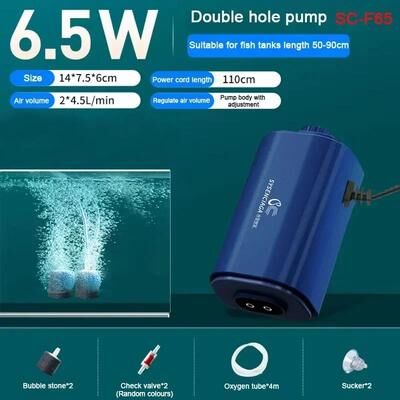
Inspire Essentials Adjustable Ultra Quiet Aquarium Air Pump Oxygen System For Fish Tanks eGive your fish a healthier and more comfortable environment with this Aquarium Air Pump. Designed to deliver a steady flow of oxygen, it helps improve water circulation while supporting a balanced aquatic ecosystem. The ultra quiet operation keeps...118,98 $*Shipping: 0,00 $Secure redirect to the provider
-
Zopa Thermos for Liquids thermos Dino 1 pcZopa Thermos for Liquids, 1 pc, Thermoses and Bottle Insulators For Kids, Make sure to pack some refreshment when going out with your kid. This Zopa Thermos for Liquids product is fantastic not just for travelling. It’s very practical and will quickly become part of every parent’s essentials. Characteristics: compact size ideal for travelling can be easily attached to the pram handle with a playful children’s motif suitable for hot or cold meals12,30 £*Shipping: 3,99 £Secure redirect to the provider
-
United Premium Stainless Steel Funnel For Kitchen Oil, Wine, And Liquids Premium Stainless Steel Funnel For Kitchen Oil, Wine, And LiquidsMake every pour precise and messfree with our stainless steel funnel. Designed for home chefs and beverage enthusiasts alike, this small yet durable tool ensures no spills when transferring oil, wine, or other liquids. Crafted for convenience, its...49,97 $*Shipping: 0,00 $Secure redirect to the provider
-
Suavinex Wonderland Thermos for Liquids thermos Rose 1 pcSuavinex Wonderland Thermos for Liquids, 1 pc, Thermoses and Bottle Insulators For Kids, Make sure to pack some refreshment when going out with your kid. This Suavinex Wonderland Thermos for Liquids product is fantastic not just for travelling. It’s very practical and will quickly become part of every parent’s essentials. Characteristics: compact size ideal for travelling with a playful children’s motif easy to assemble easy to clean Materials: stainless steel23,00 £*Shipping: 3,99 £Secure redirect to the provider


-
What is a titration?
A titration is a laboratory technique used to determine the concentration of a specific substance in a solution. It involves slowly adding a solution of known concentration (titrant) to a solution of unknown concentration until the reaction between the two is complete. The point at which the reaction is complete is called the equivalence point, which is used to calculate the concentration of the unknown solution. Titration is commonly used in chemistry for various purposes, such as determining the acidity or alkalinity of a solution. **
-
How does titration work?
Titration is a technique used in chemistry to determine the concentration of a specific substance in a solution. It involves slowly adding a solution of known concentration (titrant) to a solution of unknown concentration until the reaction between the two is complete. This is typically indicated by a color change or other observable change. By measuring the volume of titrant required to reach the endpoint, the concentration of the unknown solution can be calculated using stoichiometry. **
-
Can the titration volume be calculated without having performed the titration beforehand?
No, the titration volume cannot be accurately calculated without having performed the titration beforehand. The titration volume is determined by the amount of titrant needed to reach the equivalence point, which can only be determined through the actual titration process. The titration volume is a crucial parameter in determining the concentration of the analyte in the sample, so it is essential to perform the titration to obtain this information accurately. **
-
What does a titration curve look like when no titration is performed?
When no titration is performed, a titration curve would simply be a straight horizontal line at the initial pH of the solution being tested. This is because there would be no addition of titrant to cause any changes in pH. The curve would remain flat and unchanging until a titrant is added to initiate the titration process. **


What is the difference between a pH-metric titration and an indicator titration?
A pH-metric titration involves the use of a pH meter to measure the pH of a solution as a titrant is added to it. This allows for a precise determination of the equivalence point of the titration. On the other hand, an indicator titration uses a chemical indicator that changes color at or near the equivalence point to signal the end of the titration. While pH-metric titrations provide more accurate and precise results, indicator titrations are simpler and more commonly used in introductory chemistry labs. **
What is a back titration?
A back titration is a technique used in analytical chemistry to determine the concentration of an analyte that reacts slowly or incompletely with a direct titration method. It involves adding an excess of a known reagent to the analyte, allowing the reaction to proceed, and then titrating the excess reagent that did not react with a second titrant. By measuring the amount of the second titrant required to react with the excess reagent, the concentration of the analyte can be calculated. Back titrations are particularly useful when the analyte is volatile, weakly acidic or basic, or when there are interfering substances present. **
Top-Angebote
Products related to Titration:
-
Inspire Essentials Adjustable Ultra Quiet Aquarium Air Pump Oxygen System For Fish Tanks eGive your fish a healthier and more comfortable environment with this Aquarium Air Pump. Designed to deliver a steady flow of oxygen, it helps improve water circulation while supporting a balanced aquatic ecosystem. The ultra quiet operation keeps...118,98 $*Shipping: 0,00 $Secure redirect to the provider
-
Zopa Thermos for Liquids thermos Dino 1 pcZopa Thermos for Liquids, 1 pc, Thermoses and Bottle Insulators For Kids, Make sure to pack some refreshment when going out with your kid. This Zopa Thermos for Liquids product is fantastic not just for travelling. It’s very practical and will quickly become part of every parent’s essentials. Characteristics: compact size ideal for travelling can be easily attached to the pram handle with a playful children’s motif suitable for hot or cold meals12,30 £*Shipping: 3,99 £Secure redirect to the provider
-
How to create a titration curve of a conductivity titration?
To create a titration curve of a conductivity titration, you would first need to set up your titration apparatus with a conductivity meter. Begin by measuring the initial conductivity of the solution being titrated. As you add titrant incrementally, record the conductivity at each point. Plot the conductivity values against the volume of titrant added to create a titration curve. The curve will typically show a sharp increase in conductivity at the equivalence point, allowing you to determine the endpoint of the titration. **
-
How does a titration with the degree of titration work?
A titration with the degree of titration works by gradually adding a titrant of known concentration to a solution of the analyte until the reaction between the two is complete. The point at which the reaction is complete is determined by using an indicator or a pH meter. The amount of titrant required to reach this point is used to calculate the concentration of the analyte in the original solution. The degree of titration refers to the extent to which the reaction has progressed and is typically expressed as a percentage. **
-
What is a titration?
A titration is a laboratory technique used to determine the concentration of a specific substance in a solution. It involves slowly adding a solution of known concentration (titrant) to a solution of unknown concentration until the reaction between the two is complete. The point at which the reaction is complete is called the equivalence point, which is used to calculate the concentration of the unknown solution. Titration is commonly used in chemistry for various purposes, such as determining the acidity or alkalinity of a solution. **
-
How does titration work?
Titration is a technique used in chemistry to determine the concentration of a specific substance in a solution. It involves slowly adding a solution of known concentration (titrant) to a solution of unknown concentration until the reaction between the two is complete. This is typically indicated by a color change or other observable change. By measuring the volume of titrant required to reach the endpoint, the concentration of the unknown solution can be calculated using stoichiometry. **
Similar search terms for Titration
-
United Premium Stainless Steel Funnel For Kitchen Oil, Wine, And Liquids Premium Stainless Steel Funnel For Kitchen Oil, Wine, And LiquidsMake every pour precise and messfree with our stainless steel funnel. Designed for home chefs and beverage enthusiasts alike, this small yet durable tool ensures no spills when transferring oil, wine, or other liquids. Crafted for convenience, its...49,97 $*Shipping: 0,00 $Secure redirect to the provider
-
Suavinex Wonderland Thermos for Liquids thermos Rose 1 pcSuavinex Wonderland Thermos for Liquids, 1 pc, Thermoses and Bottle Insulators For Kids, Make sure to pack some refreshment when going out with your kid. This Suavinex Wonderland Thermos for Liquids product is fantastic not just for travelling. It’s very practical and will quickly become part of every parent’s essentials. Characteristics: compact size ideal for travelling with a playful children’s motif easy to assemble easy to clean Materials: stainless steel23,00 £*Shipping: 3,99 £Secure redirect to the provider
-
Zopa Thermos for Liquids thermos Mountains 1 pcZopa Thermos for Liquids, 1 pc, Thermoses and Bottle Insulators For Kids, Make sure to pack some refreshment when going out with your kid. This Zopa Thermos for Liquids product is fantastic not just for travelling. It’s very practical and will quickly become part of every parent’s essentials. Characteristics: compact size ideal for travelling can be easily attached to the pram handle with a playful children’s motif suitable for hot or cold meals12,30 £*Shipping: 3,99 £Secure redirect to the provider
-
Zopa Thermos for Liquids thermos Safari 1 pcZopa Thermos for Liquids, 1 pc, Thermoses and Bottle Insulators For Kids, Make sure to pack some refreshment when going out with your kid. This Zopa Thermos for Liquids product is fantastic not just for travelling. It’s very practical and will quickly become part of every parent’s essentials. Characteristics: compact size ideal for travelling can be easily attached to the pram handle with a playful children’s motif suitable for hot or cold meals12,30 £*Shipping: 3,99 £Secure redirect to the provider
-
Can the titration volume be calculated without having performed the titration beforehand?
No, the titration volume cannot be accurately calculated without having performed the titration beforehand. The titration volume is determined by the amount of titrant needed to reach the equivalence point, which can only be determined through the actual titration process. The titration volume is a crucial parameter in determining the concentration of the analyte in the sample, so it is essential to perform the titration to obtain this information accurately. **
-
What does a titration curve look like when no titration is performed?
When no titration is performed, a titration curve would simply be a straight horizontal line at the initial pH of the solution being tested. This is because there would be no addition of titrant to cause any changes in pH. The curve would remain flat and unchanging until a titrant is added to initiate the titration process. **
-
What is the difference between a pH-metric titration and an indicator titration?
A pH-metric titration involves the use of a pH meter to measure the pH of a solution as a titrant is added to it. This allows for a precise determination of the equivalence point of the titration. On the other hand, an indicator titration uses a chemical indicator that changes color at or near the equivalence point to signal the end of the titration. While pH-metric titrations provide more accurate and precise results, indicator titrations are simpler and more commonly used in introductory chemistry labs. **
-
What is a back titration?
A back titration is a technique used in analytical chemistry to determine the concentration of an analyte that reacts slowly or incompletely with a direct titration method. It involves adding an excess of a known reagent to the analyte, allowing the reaction to proceed, and then titrating the excess reagent that did not react with a second titrant. By measuring the amount of the second titrant required to react with the excess reagent, the concentration of the analyte can be calculated. Back titrations are particularly useful when the analyte is volatile, weakly acidic or basic, or when there are interfering substances present. **
* All prices are inclusive of VAT and, if applicable, plus shipping costs. The offer information is based on the details provided by the respective shop and is updated through automated processes. Real-time updates do not occur, so deviations can occur in individual cases. ** Note: Parts of this content were created by AI.