Buy vapewild.eu ?
We are moving the project
vapewild.eu .
Are you interested in purchasing the domain
vapewild.eu ?
domain@kv-gmbh.de · 0541-91531010
Buy vapewild.eu ?
What is an interrogative pronoun?
An interrogative pronoun is a pronoun used to ask questions. These pronouns include words like "who," "whom," "whose," "what," "which," and "whose." They are used to inquire about people, things, or qualities. Interrogative pronouns are essential for forming questions and seeking information in a sentence. **
What are interrogative pronouns in German?
Interrogative pronouns in German are used to ask questions and gather information. They include pronouns such as "wer" (who), "was" (what), "wo" (where), "wann" (when), "warum" (why), and "wie" (how). These pronouns are used at the beginning of a question to inquire about specific details or seek clarification. Interrogative pronouns play a crucial role in forming questions in the German language. **


Similar search terms for Interrogative
Top-Angebote
Products related to Interrogative:
-
Inspire Essentials Adjustable Ultra Quiet Aquarium Air Pump Oxygen System For Fish Tanks eGive your fish a healthier and more comfortable environment with this Aquarium Air Pump. Designed to deliver a steady flow of oxygen, it helps improve water circulation while supporting a balanced aquatic ecosystem. The ultra quiet operation keeps...118,98 $*Shipping: 0,00 $Secure redirect to the provider
-
United Premium Stainless Steel Funnel For Kitchen Oil, Wine, And Liquids Premium Stainless Steel Funnel For Kitchen Oil, Wine, And LiquidsMake every pour precise and messfree with our stainless steel funnel. Designed for home chefs and beverage enthusiasts alike, this small yet durable tool ensures no spills when transferring oil, wine, or other liquids. Crafted for convenience, its...49,97 $*Shipping: 0,00 $Secure redirect to the provider
-
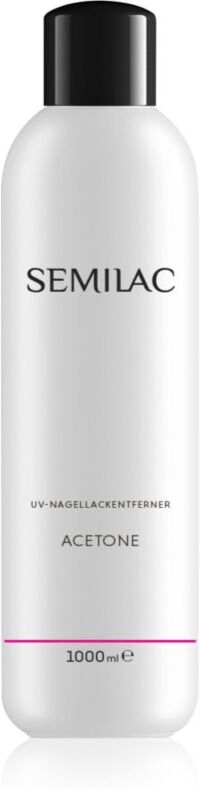
Semilac Liquids pure acetone for removing gel nails 1000 mlSemilac Liquids, 1000 ml, Nail Varnish Removers for Women, Nails with chipped nail polish never look pretty, let alone neat. Step in before the peeling starts. The Semilac Liquids nail polish remover helps you remove any nail polish from the surface of your nails quickly and effectively. It leaves them perfectly clean, free of any residue and ready for the next step. This allows you to change up your style as often as you please – you’ll be ready for a brand new at-home manicure in no time. Characteristics: also removes dirt and oily traces from the nails removes polish quickly and effectively How to use: Apply the nail polish remover to a cotton wool pad, place briefly on the nails, then remove the polish gently.9,70 £*Shipping: 3,99 £Secure redirect to the provider
-
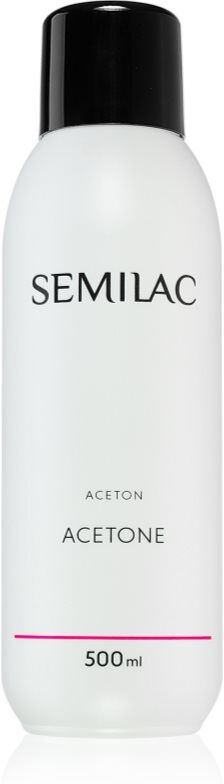
Semilac Liquids pure acetone for removing gel nails 500 mlSemilac Liquids, 500 ml, Nail Varnish Removers for Women, Nails with chipped nail polish never look pretty, let alone neat. Step in before the peeling starts. The Semilac Liquids nail polish remover helps you remove any nail polish from the surface of your nails quickly and effectively. It leaves them perfectly clean, free of any residue and ready for the next step. This allows you to change up your style as often as you please – you’ll be ready for a brand new at-home manicure in no time. Characteristics: also removes dirt and oily traces from the nails removes polish quickly and effectively How to use: Apply the nail polish remover to a cotton wool pad, place briefly on the nails, then remove the polish gently.6,50 £*Shipping: 3,99 £Secure redirect to the provider


-
What is the difference between relative pronouns and interrogative pronouns?
Relative pronouns are used to connect a dependent clause to an independent clause, providing more information about a noun in the independent clause. They include words like "who," "which," and "that." Interrogative pronouns, on the other hand, are used to ask questions and gather information. They include words like "who," "what," "which," "whom," and "whose." The main difference between the two is their function in a sentence - relative pronouns connect clauses, while interrogative pronouns are used to ask questions. **
-
Is an interrogative sentence a main clause or a subordinate clause?
An interrogative sentence is a main clause. It is a complete sentence that can stand alone and expresses a question. It does not depend on any other clause to make sense and is therefore considered a main clause. **
-
Is there an interrogative word without a w at the beginning?
Yes, there is an interrogative word without a "w" at the beginning. The word "how" is an interrogative word that does not start with a "w." It is used to ask about the manner or method in which something is done. **
-
Which interrogative pronoun are you referring to when you mention the attribute?
When mentioning the attribute, I am referring to the interrogative pronoun "which." This pronoun is used to inquire about a specific choice or selection from a group of options. It helps to narrow down the possibilities and identify a particular item or characteristic. **


How do I recognize a relative clause, a conjunctional clause, and an interrogative clause?
A relative clause typically starts with a relative pronoun (such as who, whom, whose, which, or that) and provides more information about a noun in the main clause. A conjunctional clause, on the other hand, is introduced by a conjunction (such as and, but, or because) and connects two independent clauses. An interrogative clause is a type of clause that asks a question and is typically introduced by an interrogative pronoun (such as who, what, when, where, why, or how) or an interrogative adverb (such as how, when, or where). **
How can I recognize a relative clause, a conjunctional clause, and an interrogative clause?
A relative clause is a type of dependent clause that typically starts with a relative pronoun (such as who, whom, whose, which, or that) and provides additional information about a noun in the main clause. A conjunctional clause, on the other hand, is a dependent clause that functions as an adverb, adjective, or noun in a sentence and is connected to the main clause by a conjunction (such as because, although, if, when, etc.). An interrogative clause is a type of clause that asks a question and typically begins with a question word (such as who, what, where, when, why, or how) or with a helping verb followed by the subject. **
Top-Angebote
Products related to Interrogative:
-
Inspire Essentials Adjustable Ultra Quiet Aquarium Air Pump Oxygen System For Fish Tanks eGive your fish a healthier and more comfortable environment with this Aquarium Air Pump. Designed to deliver a steady flow of oxygen, it helps improve water circulation while supporting a balanced aquatic ecosystem. The ultra quiet operation keeps...118,98 $*Shipping: 0,00 $Secure redirect to the provider
-
United Premium Stainless Steel Funnel For Kitchen Oil, Wine, And Liquids Premium Stainless Steel Funnel For Kitchen Oil, Wine, And LiquidsMake every pour precise and messfree with our stainless steel funnel. Designed for home chefs and beverage enthusiasts alike, this small yet durable tool ensures no spills when transferring oil, wine, or other liquids. Crafted for convenience, its...49,97 $*Shipping: 0,00 $Secure redirect to the provider
-
What is an interrogative pronoun?
An interrogative pronoun is a pronoun used to ask questions. These pronouns include words like "who," "whom," "whose," "what," "which," and "whose." They are used to inquire about people, things, or qualities. Interrogative pronouns are essential for forming questions and seeking information in a sentence. **
-
What are interrogative pronouns in German?
Interrogative pronouns in German are used to ask questions and gather information. They include pronouns such as "wer" (who), "was" (what), "wo" (where), "wann" (when), "warum" (why), and "wie" (how). These pronouns are used at the beginning of a question to inquire about specific details or seek clarification. Interrogative pronouns play a crucial role in forming questions in the German language. **
-
What is the difference between relative pronouns and interrogative pronouns?
Relative pronouns are used to connect a dependent clause to an independent clause, providing more information about a noun in the independent clause. They include words like "who," "which," and "that." Interrogative pronouns, on the other hand, are used to ask questions and gather information. They include words like "who," "what," "which," "whom," and "whose." The main difference between the two is their function in a sentence - relative pronouns connect clauses, while interrogative pronouns are used to ask questions. **
-
Is an interrogative sentence a main clause or a subordinate clause?
An interrogative sentence is a main clause. It is a complete sentence that can stand alone and expresses a question. It does not depend on any other clause to make sense and is therefore considered a main clause. **
Similar search terms for Interrogative
-
Semilac Liquids pure acetone for removing gel nails 1000 mlSemilac Liquids, 1000 ml, Nail Varnish Removers for Women, Nails with chipped nail polish never look pretty, let alone neat. Step in before the peeling starts. The Semilac Liquids nail polish remover helps you remove any nail polish from the surface of your nails quickly and effectively. It leaves them perfectly clean, free of any residue and ready for the next step. This allows you to change up your style as often as you please – you’ll be ready for a brand new at-home manicure in no time. Characteristics: also removes dirt and oily traces from the nails removes polish quickly and effectively How to use: Apply the nail polish remover to a cotton wool pad, place briefly on the nails, then remove the polish gently.9,70 £*Shipping: 3,99 £Secure redirect to the provider
-
Semilac Liquids pure acetone for removing gel nails 500 mlSemilac Liquids, 500 ml, Nail Varnish Removers for Women, Nails with chipped nail polish never look pretty, let alone neat. Step in before the peeling starts. The Semilac Liquids nail polish remover helps you remove any nail polish from the surface of your nails quickly and effectively. It leaves them perfectly clean, free of any residue and ready for the next step. This allows you to change up your style as often as you please – you’ll be ready for a brand new at-home manicure in no time. Characteristics: also removes dirt and oily traces from the nails removes polish quickly and effectively How to use: Apply the nail polish remover to a cotton wool pad, place briefly on the nails, then remove the polish gently.6,50 £*Shipping: 3,99 £Secure redirect to the provider
-
Semilac Liquids pure acetone for removing gel nails 125 mlSemilac Liquids, 125 ml, Nail Varnish Removers for Women, Nails with chipped nail polish never look pretty, let alone neat. Step in before the peeling starts. The Semilac Liquids nail polish remover helps you remove any nail polish from the surface of your nails quickly and effectively. It leaves them perfectly clean, free of any residue and ready for the next step. This allows you to change up your style as often as you please – you’ll be ready for a brand new at-home manicure in no time. Characteristics: also removes dirt and oily traces from the nails removes polish quickly and effectively How to use: Apply the nail polish remover to a cotton wool pad, place briefly on the nails, then remove the polish gently.4,60 £*Shipping: 3,99 £Secure redirect to the provider
-
Semilac Liquids pure acetone for removing gel nails 50 mlSemilac Liquids, 50 ml, Nail Varnish Removers for Women, Nails with chipped nail polish never look pretty, let alone neat. Step in before the peeling starts. The Semilac Liquids nail polish remover helps you remove any nail polish from the surface of your nails quickly and effectively. It leaves them perfectly clean, free of any residue and ready for the next step. This allows you to change up your style as often as you please – you’ll be ready for a brand new at-home manicure in no time. Characteristics: also removes dirt and oily traces from the nails removes polish quickly and effectively How to use: Apply the nail polish remover to a cotton wool pad, place briefly on the nails, then remove the polish gently.2,90 £*Shipping: 3,99 £Secure redirect to the provider
-
Is there an interrogative word without a w at the beginning?
Yes, there is an interrogative word without a "w" at the beginning. The word "how" is an interrogative word that does not start with a "w." It is used to ask about the manner or method in which something is done. **
-
Which interrogative pronoun are you referring to when you mention the attribute?
When mentioning the attribute, I am referring to the interrogative pronoun "which." This pronoun is used to inquire about a specific choice or selection from a group of options. It helps to narrow down the possibilities and identify a particular item or characteristic. **
-
How do I recognize a relative clause, a conjunctional clause, and an interrogative clause?
A relative clause typically starts with a relative pronoun (such as who, whom, whose, which, or that) and provides more information about a noun in the main clause. A conjunctional clause, on the other hand, is introduced by a conjunction (such as and, but, or because) and connects two independent clauses. An interrogative clause is a type of clause that asks a question and is typically introduced by an interrogative pronoun (such as who, what, when, where, why, or how) or an interrogative adverb (such as how, when, or where). **
-
How can I recognize a relative clause, a conjunctional clause, and an interrogative clause?
A relative clause is a type of dependent clause that typically starts with a relative pronoun (such as who, whom, whose, which, or that) and provides additional information about a noun in the main clause. A conjunctional clause, on the other hand, is a dependent clause that functions as an adverb, adjective, or noun in a sentence and is connected to the main clause by a conjunction (such as because, although, if, when, etc.). An interrogative clause is a type of clause that asks a question and typically begins with a question word (such as who, what, where, when, why, or how) or with a helping verb followed by the subject. **
* All prices are inclusive of VAT and, if applicable, plus shipping costs. The offer information is based on the details provided by the respective shop and is updated through automated processes. Real-time updates do not occur, so deviations can occur in individual cases. ** Note: Parts of this content were created by AI.