Buy vapewild.eu ?
We are moving the project
vapewild.eu .
Are you interested in purchasing the domain
vapewild.eu ?
domain@kv-gmbh.de · 0541-91531010
Buy vapewild.eu ?
How do dipole-dipole forces affect the boiling temperature?
Dipole-dipole forces are attractive forces between the positive end of one polar molecule and the negative end of another polar molecule. These forces cause the molecules to be attracted to each other and stick together, making it more difficult for them to break apart and become a gas. As a result, substances with stronger dipole-dipole forces will have higher boiling temperatures because more energy is required to overcome these attractive forces and turn the substance into a gas. Therefore, the presence of dipole-dipole forces can increase the boiling temperature of a substance. **
Why are hydrogen bonds stronger than dipole-dipole interactions?
Hydrogen bonds are stronger than dipole-dipole interactions because they involve a specific interaction between a hydrogen atom and a highly electronegative atom such as oxygen, nitrogen, or fluorine. This creates a strong partial positive charge on the hydrogen atom and a strong partial negative charge on the electronegative atom, leading to a strong attraction between the two. In contrast, dipole-dipole interactions occur between the partial positive and negative charges of polar molecules, which are generally weaker than the specific interaction between a hydrogen atom and a highly electronegative atom in a hydrogen bond. **


Similar search terms for Dipole
Top-Angebote
Products related to Dipole:
-
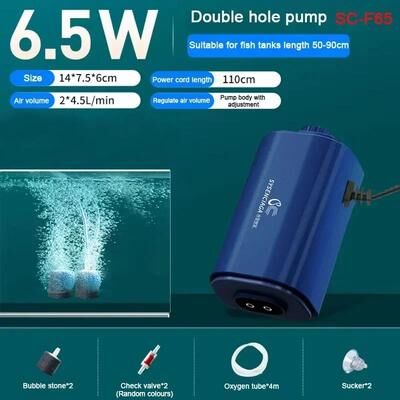
Inspire Essentials Adjustable Ultra Quiet Aquarium Air Pump Oxygen System For Fish Tanks eGive your fish a healthier and more comfortable environment with this Aquarium Air Pump. Designed to deliver a steady flow of oxygen, it helps improve water circulation while supporting a balanced aquatic ecosystem. The ultra quiet operation keeps...118,98 $*Shipping: 0,00 $Secure redirect to the provider
-
Chapman ML-1 Hot Rod Natural 2014 Electric Guitar w/ Mods natural - RefurbishedThis is a Chapman ML-1 Hot Rod Electric Guitar in Natural Satin finish. Made in Korea in 2014, this guitar consists of a Swamp Ash body, a Maple neck, and a 22-fret Ebony fingerboard. Other appointments include an upgraded Schaller 2-Point Tremolo bridge, Black Grover tuners, a Wide Graphtec Nut, a Seymour Duncan TB4 JB Trembucker in the bridge position, and two IronGear Texas Loco Single Coils in the neck and middle positions. These pickups are wired to a master volume (push/pull coil split), a master tone, and a 5-way pickup selector. The Maple neck sits comfortably in the hand, with the 'C' profile allowing for easy fretting in any register and providing ergonomic thumb positioning up and down the neck. The Satin finish to the rear of the neck assists with smooth and speedy navigation of the 25.5" scale length. The Ebony fingerboard is pleasant to the touch, and with its 13.78” radius makes bending and vibrato techniques a breeze. Certainly, the fingerboard offers a nice balance between comfortable chord playing and practicality for quick lead lines. The Jumbo frets enhance vibrato techniques at speed whilst also providing a rock-solid and smooth playing experience. The Seymour Duncan TB4 JB Trembucker has a balanced output, producing a thick and powerful modern tone whilst offering a tight bottom end, and a searing high frequency cut, making a great pickup for heavy styles of music and modern techniques. The IronGear Texas Loco Single Coil neck pickup provides crystal clear clean sounds, with more aggressive mids and increased sustain as you crank the gain. This is perfect for high-speed solos and melodic interludes. The IronGear Texas Loco Single Coil in the middle position sits great with a nice balance of bright trebles and full warm bass, and lends itself well to rhythm tones. Providing a great feel and clarity, allowing the player to achieve a wide variety of tones all at the fingertips.480,00 £*Shipping: 0,00 £Secure redirect to the provider
-
Zopa Thermos for Liquids thermos Dino 1 pcZopa Thermos for Liquids, 1 pc, Thermoses and Bottle Insulators For Kids, Make sure to pack some refreshment when going out with your kid. This Zopa Thermos for Liquids product is fantastic not just for travelling. It’s very practical and will quickly become part of every parent’s essentials. Characteristics: compact size ideal for travelling can be easily attached to the pram handle with a playful children’s motif suitable for hot or cold meals12,30 £*Shipping: 3,99 £Secure redirect to the provider
-
United Premium Stainless Steel Funnel For Kitchen Oil, Wine, And Liquids Premium Stainless Steel Funnel For Kitchen Oil, Wine, And LiquidsMake every pour precise and messfree with our stainless steel funnel. Designed for home chefs and beverage enthusiasts alike, this small yet durable tool ensures no spills when transferring oil, wine, or other liquids. Crafted for convenience, its...49,97 $*Shipping: 0,00 $Secure redirect to the provider


-
Why do ethers have only weak dipole-dipole interactions?
Ethers have only weak dipole-dipole interactions because the oxygen atom in the ether molecule is less electronegative than the oxygen atom in alcohols or the nitrogen atom in amines. This results in a smaller difference in electronegativity between the oxygen and the carbon atoms in the ether molecule, leading to weaker dipole moments. As a result, the overall dipole-dipole interactions in ethers are weaker compared to molecules with larger electronegativity differences, such as alcohols and amines. **
-
Is the ammonia molecule a dipole or not a dipole?
The ammonia molecule is a dipole. This is because the molecule has a trigonal pyramidal shape with a lone pair of electrons on the nitrogen atom. The electronegativity difference between nitrogen and hydrogen causes the molecule to have a net dipole moment, with the nitrogen end being partially negative and the hydrogen end being partially positive. This makes ammonia a polar molecule. **
-
Why is CO2 not a dipole and H2O a dipole?
CO2 is not a dipole because it has a linear molecular geometry, meaning the two oxygen atoms are symmetrically arranged around the central carbon atom, resulting in a net dipole moment of zero. On the other hand, H2O is a dipole because it has a bent molecular geometry, causing the oxygen atom to pull the shared electrons closer to itself, resulting in a net dipole moment. This uneven distribution of charge creates a positive end (the hydrogen atoms) and a negative end (the oxygen atom), making H2O a polar molecule. **
-
When do Van der Waals forces and dipole-dipole interactions occur?
Van der Waals forces occur between all atoms and molecules, regardless of their polarity, due to temporary fluctuations in electron distribution. Dipole-dipole interactions, on the other hand, occur between polar molecules that have a permanent separation of positive and negative charges. Both types of interactions are important in determining the physical properties of substances, such as their boiling and melting points, and play a significant role in the behavior of gases, liquids, and solids. **


What is the difference between a dipole and a non-dipole?
A dipole is a molecule that has a separation of positive and negative charges, resulting in a net dipole moment. This means that the molecule has a non-uniform distribution of electron density, leading to a partial positive and partial negative charge. On the other hand, a non-dipole molecule has a symmetrical distribution of electron density, resulting in no net dipole moment. This means that the molecule does not have a separation of positive and negative charges, and therefore does not exhibit dipole-dipole interactions. **
What is the difference between hydrogen bonding and dipole-dipole interactions?
Hydrogen bonding is a specific type of dipole-dipole interaction that occurs between a hydrogen atom bonded to a highly electronegative atom (such as oxygen, nitrogen, or fluorine) and another electronegative atom in a different molecule. This type of interaction is stronger than regular dipole-dipole interactions because of the large electronegativity difference between the hydrogen and the other atom, resulting in a stronger attraction between the molecules. In contrast, dipole-dipole interactions occur between the positive end of one polar molecule and the negative end of another polar molecule, but do not involve a hydrogen atom bonded to a highly electronegative atom. **
Top-Angebote
Products related to Dipole:
-
Inspire Essentials Adjustable Ultra Quiet Aquarium Air Pump Oxygen System For Fish Tanks eGive your fish a healthier and more comfortable environment with this Aquarium Air Pump. Designed to deliver a steady flow of oxygen, it helps improve water circulation while supporting a balanced aquatic ecosystem. The ultra quiet operation keeps...118,98 $*Shipping: 0,00 $Secure redirect to the provider
-
Chapman ML-1 Hot Rod Natural 2014 Electric Guitar w/ Mods natural - RefurbishedThis is a Chapman ML-1 Hot Rod Electric Guitar in Natural Satin finish. Made in Korea in 2014, this guitar consists of a Swamp Ash body, a Maple neck, and a 22-fret Ebony fingerboard. Other appointments include an upgraded Schaller 2-Point Tremolo bridge, Black Grover tuners, a Wide Graphtec Nut, a Seymour Duncan TB4 JB Trembucker in the bridge position, and two IronGear Texas Loco Single Coils in the neck and middle positions. These pickups are wired to a master volume (push/pull coil split), a master tone, and a 5-way pickup selector. The Maple neck sits comfortably in the hand, with the 'C' profile allowing for easy fretting in any register and providing ergonomic thumb positioning up and down the neck. The Satin finish to the rear of the neck assists with smooth and speedy navigation of the 25.5" scale length. The Ebony fingerboard is pleasant to the touch, and with its 13.78” radius makes bending and vibrato techniques a breeze. Certainly, the fingerboard offers a nice balance between comfortable chord playing and practicality for quick lead lines. The Jumbo frets enhance vibrato techniques at speed whilst also providing a rock-solid and smooth playing experience. The Seymour Duncan TB4 JB Trembucker has a balanced output, producing a thick and powerful modern tone whilst offering a tight bottom end, and a searing high frequency cut, making a great pickup for heavy styles of music and modern techniques. The IronGear Texas Loco Single Coil neck pickup provides crystal clear clean sounds, with more aggressive mids and increased sustain as you crank the gain. This is perfect for high-speed solos and melodic interludes. The IronGear Texas Loco Single Coil in the middle position sits great with a nice balance of bright trebles and full warm bass, and lends itself well to rhythm tones. Providing a great feel and clarity, allowing the player to achieve a wide variety of tones all at the fingertips.480,00 £*Shipping: 0,00 £Secure redirect to the provider
-
How do dipole-dipole forces affect the boiling temperature?
Dipole-dipole forces are attractive forces between the positive end of one polar molecule and the negative end of another polar molecule. These forces cause the molecules to be attracted to each other and stick together, making it more difficult for them to break apart and become a gas. As a result, substances with stronger dipole-dipole forces will have higher boiling temperatures because more energy is required to overcome these attractive forces and turn the substance into a gas. Therefore, the presence of dipole-dipole forces can increase the boiling temperature of a substance. **
-
Why are hydrogen bonds stronger than dipole-dipole interactions?
Hydrogen bonds are stronger than dipole-dipole interactions because they involve a specific interaction between a hydrogen atom and a highly electronegative atom such as oxygen, nitrogen, or fluorine. This creates a strong partial positive charge on the hydrogen atom and a strong partial negative charge on the electronegative atom, leading to a strong attraction between the two. In contrast, dipole-dipole interactions occur between the partial positive and negative charges of polar molecules, which are generally weaker than the specific interaction between a hydrogen atom and a highly electronegative atom in a hydrogen bond. **
-
Why do ethers have only weak dipole-dipole interactions?
Ethers have only weak dipole-dipole interactions because the oxygen atom in the ether molecule is less electronegative than the oxygen atom in alcohols or the nitrogen atom in amines. This results in a smaller difference in electronegativity between the oxygen and the carbon atoms in the ether molecule, leading to weaker dipole moments. As a result, the overall dipole-dipole interactions in ethers are weaker compared to molecules with larger electronegativity differences, such as alcohols and amines. **
-
Is the ammonia molecule a dipole or not a dipole?
The ammonia molecule is a dipole. This is because the molecule has a trigonal pyramidal shape with a lone pair of electrons on the nitrogen atom. The electronegativity difference between nitrogen and hydrogen causes the molecule to have a net dipole moment, with the nitrogen end being partially negative and the hydrogen end being partially positive. This makes ammonia a polar molecule. **
Similar search terms for Dipole
-
Zopa Thermos for Liquids thermos Dino 1 pcZopa Thermos for Liquids, 1 pc, Thermoses and Bottle Insulators For Kids, Make sure to pack some refreshment when going out with your kid. This Zopa Thermos for Liquids product is fantastic not just for travelling. It’s very practical and will quickly become part of every parent’s essentials. Characteristics: compact size ideal for travelling can be easily attached to the pram handle with a playful children’s motif suitable for hot or cold meals12,30 £*Shipping: 3,99 £Secure redirect to the provider
-
United Premium Stainless Steel Funnel For Kitchen Oil, Wine, And Liquids Premium Stainless Steel Funnel For Kitchen Oil, Wine, And LiquidsMake every pour precise and messfree with our stainless steel funnel. Designed for home chefs and beverage enthusiasts alike, this small yet durable tool ensures no spills when transferring oil, wine, or other liquids. Crafted for convenience, its...49,97 $*Shipping: 0,00 $Secure redirect to the provider
-
Zopa Thermos for Liquids thermos Mountains 1 pcZopa Thermos for Liquids, 1 pc, Thermoses and Bottle Insulators For Kids, Make sure to pack some refreshment when going out with your kid. This Zopa Thermos for Liquids product is fantastic not just for travelling. It’s very practical and will quickly become part of every parent’s essentials. Characteristics: compact size ideal for travelling can be easily attached to the pram handle with a playful children’s motif suitable for hot or cold meals12,30 £*Shipping: 3,99 £Secure redirect to the provider
-
Zopa Thermos for Liquids thermos Safari 1 pcZopa Thermos for Liquids, 1 pc, Thermoses and Bottle Insulators For Kids, Make sure to pack some refreshment when going out with your kid. This Zopa Thermos for Liquids product is fantastic not just for travelling. It’s very practical and will quickly become part of every parent’s essentials. Characteristics: compact size ideal for travelling can be easily attached to the pram handle with a playful children’s motif suitable for hot or cold meals12,30 £*Shipping: 3,99 £Secure redirect to the provider
-
Why is CO2 not a dipole and H2O a dipole?
CO2 is not a dipole because it has a linear molecular geometry, meaning the two oxygen atoms are symmetrically arranged around the central carbon atom, resulting in a net dipole moment of zero. On the other hand, H2O is a dipole because it has a bent molecular geometry, causing the oxygen atom to pull the shared electrons closer to itself, resulting in a net dipole moment. This uneven distribution of charge creates a positive end (the hydrogen atoms) and a negative end (the oxygen atom), making H2O a polar molecule. **
-
When do Van der Waals forces and dipole-dipole interactions occur?
Van der Waals forces occur between all atoms and molecules, regardless of their polarity, due to temporary fluctuations in electron distribution. Dipole-dipole interactions, on the other hand, occur between polar molecules that have a permanent separation of positive and negative charges. Both types of interactions are important in determining the physical properties of substances, such as their boiling and melting points, and play a significant role in the behavior of gases, liquids, and solids. **
-
What is the difference between a dipole and a non-dipole?
A dipole is a molecule that has a separation of positive and negative charges, resulting in a net dipole moment. This means that the molecule has a non-uniform distribution of electron density, leading to a partial positive and partial negative charge. On the other hand, a non-dipole molecule has a symmetrical distribution of electron density, resulting in no net dipole moment. This means that the molecule does not have a separation of positive and negative charges, and therefore does not exhibit dipole-dipole interactions. **
-
What is the difference between hydrogen bonding and dipole-dipole interactions?
Hydrogen bonding is a specific type of dipole-dipole interaction that occurs between a hydrogen atom bonded to a highly electronegative atom (such as oxygen, nitrogen, or fluorine) and another electronegative atom in a different molecule. This type of interaction is stronger than regular dipole-dipole interactions because of the large electronegativity difference between the hydrogen and the other atom, resulting in a stronger attraction between the molecules. In contrast, dipole-dipole interactions occur between the positive end of one polar molecule and the negative end of another polar molecule, but do not involve a hydrogen atom bonded to a highly electronegative atom. **
* All prices are inclusive of VAT and, if applicable, plus shipping costs. The offer information is based on the details provided by the respective shop and is updated through automated processes. Real-time updates do not occur, so deviations can occur in individual cases. ** Note: Parts of this content were created by AI.