Buy vapewild.eu ?
We are moving the project
vapewild.eu .
Are you interested in purchasing the domain
vapewild.eu ?
domain@kv-gmbh.de · 0541-91531010
Buy vapewild.eu ?
How do E. coli bacteria multiply?
E. coli bacteria multiply through a process called binary fission. During binary fission, the bacteria first replicate their genetic material, then the cell elongates and the replicated genetic material is evenly distributed to opposite ends of the cell. Finally, the cell divides into two daughter cells, each containing a complete set of genetic material. This process allows E. coli bacteria to rapidly increase their population under favorable conditions. **
Who invented bacteria?
The discovery of bacteria is attributed to Dutch scientist Antonie van Leeuwenhoek. He is considered the "Father of Microbiology" and is credited with being the first person to observe and document bacteria using a microscope in the 17th century. **


Similar search terms for Bacteria
Top-Angebote
Products related to Bacteria:
-
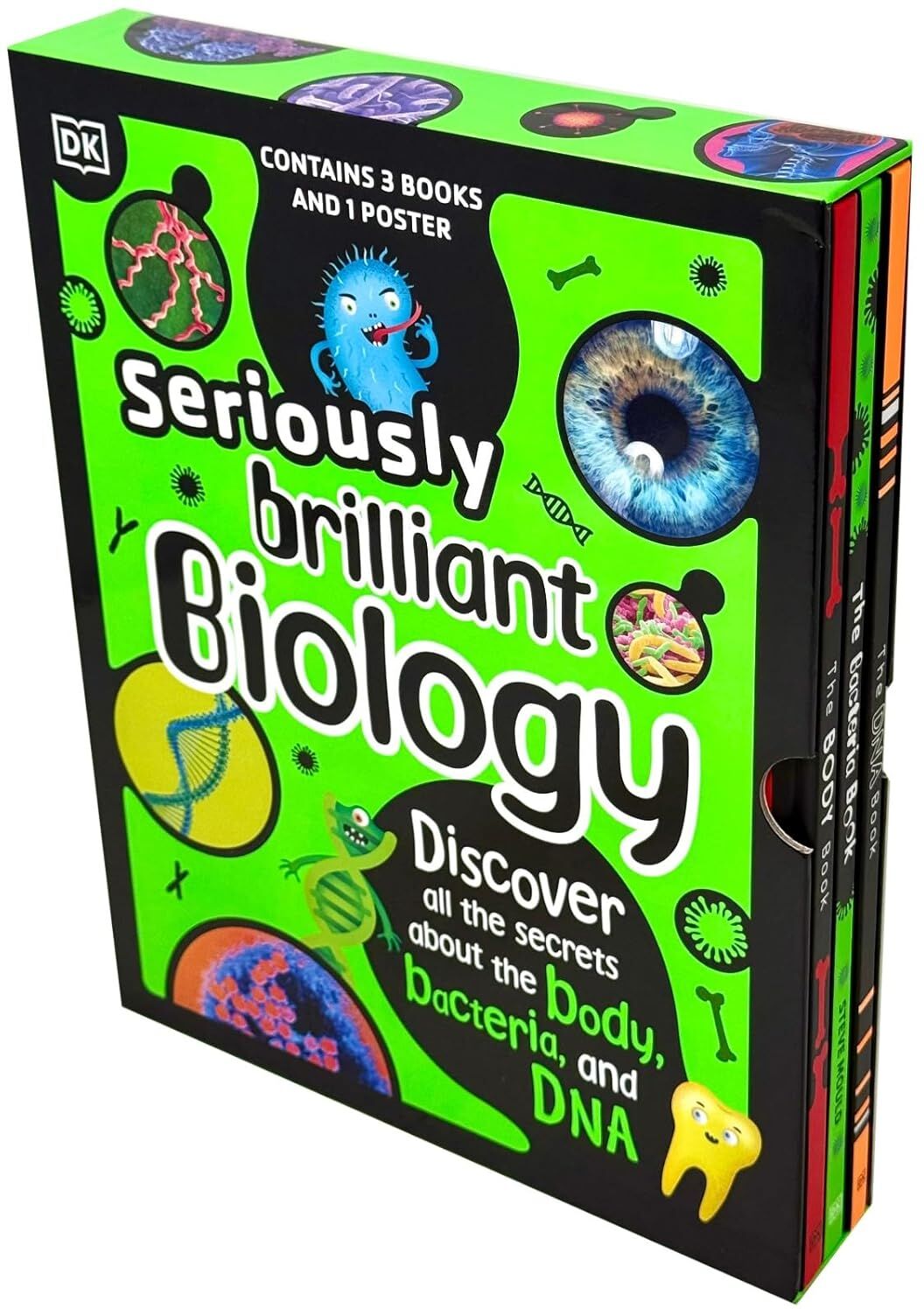
DK Children DK Seriously Brilliant Biology 3 Books Box Set and 1 Poster (The Body Book, The DNA Book and The Bacteria Book)The Body Book: It's inside every living plant and animal, from the tiniest seed to the person standing next to you, but how much do you know about DNA? This book gives children an in-depth look at DNA and its role in all living things--from why we have different-colored eyes to why we age. Discover what DNA is, what it does, and how it shapes our lives, including inheritance and why we look like our parents; forensic science and how DNA evidence helps catch criminals; and genetic engineering and if we could bring dinosaurs back to life. With fun illustrated DNA characters, clear diagrams, and astonishing photographs, children will love learning about themselves and this all-important molecule. The Body Book : Your body is awe-inspiring, amazing and miraculous. Your heart pumps blood all around your body to keep you alive and carry you around every single day. It keeps you alive and carries you around every day. But how much do you really know about what's going on beneath the surface? Jump on board as DK takes you on a fun-filled journey under your skin, through your insides, and back in time to explore milestones in medicine and the latest scientific discoveries about the human body. Are you coming? The Bacteria Book: What do glowing squid, mouldy bread, and soil creatures all have in common? They're all part of the world of microbiology! In this awesome introductory book for budding scientists, the big world of tiny organisms is revealed with remarkable photography, kooky characters, and lots of fun facts.12,99 £*Shipping: 2,99 £Secure redirect to the provider
-
Dettol Spray, Bathroom Cleaner, 1L, Limescale Remover, Sparkling Clean, Tackles Grease and Grime, No Need to Rinse, Kills 99.9 Percent of Bacteria andKILLS 99.9 PERCENT OF BACTERIA AND ENVELOPED VIRUSES: Always reads the label and product information before use. 10X CLEANING POWER: On Soapscum vs water; this powerful cleaner cuts through the toughest grease, grime and dirt for a quicker and highly effective clean. REMOVES LIMESCALE: The active oxygen formula penetrates and dissolves tough grease, dirt, and limescale. SUITABLE FOR: Bathroom sinks, taps, toilet seat & bowl, shower screens, vinyl, sealed, laminated and linoleum floors. HOW TO USE: Simply spray directly on the surface, wipe over with clean damp cloth and allow to dry, no need to rinse. NOT SUITABLE FOR: Marble, brass, copper, unfinished wood, carpet, fabrics, and unwaxed vinyl. Packaging may vary. No harsh chemical residue. Kills 99.9% of bacteria. With active oxygen19,49 £*Shipping: 0,00 £Secure redirect to the provider


-
Are bacteria protists?
No, bacteria are not protists. Bacteria are single-celled microorganisms that lack a nucleus and other membrane-bound organelles, and they belong to the domain Bacteria. On the other hand, protists are a diverse group of eukaryotic microorganisms that can be single-celled or multicellular, and they belong to the domain Eukarya. Therefore, bacteria and protists are two distinct groups of microorganisms with different characteristics and evolutionary histories. **
-
Why do E. coli bacteria take up so much lactose?
E. coli bacteria take up lactose as a source of energy. Lactose is a disaccharide composed of glucose and galactose, which can be broken down by the enzyme beta-galactosidase into these simpler sugars that can be used by the bacteria for energy production. This ability to utilize lactose as a carbon source provides E. coli with a competitive advantage in environments where lactose is present, allowing them to outcompete other bacteria. **
-
What does the surface of E. coli bacteria look like?
The surface of E. coli bacteria is covered in a layer of lipopolysaccharides, which are complex molecules made up of lipids and sugars. These lipopolysaccharides form the outer membrane of the bacteria, providing protection and serving as a barrier to the external environment. Additionally, E. coli bacteria have flagella, which are long, whip-like appendages that extend from the surface and allow the bacteria to move. Overall, the surface of E. coli bacteria is complex and plays a crucial role in the bacteria's survival and function. **
-
How can one get rid of E. coli bacteria in dogs?
To get rid of E. coli bacteria in dogs, it is important to consult a veterinarian for proper diagnosis and treatment. Treatment typically involves antibiotics prescribed by the vet. It is also important to practice good hygiene, such as washing your hands after handling your dog and properly cleaning up after them to prevent the spread of the bacteria. Additionally, ensuring your dog has a healthy diet and clean water can help boost their immune system to fight off infections. **

Are these bacteria dangerous?
The bacteria mentioned in the text, Pseudomonas aeruginosa, can be dangerous for individuals with weakened immune systems or underlying health conditions. In healthy individuals, it may not cause any harm. However, if left untreated, Pseudomonas aeruginosa infections can lead to serious complications, especially in hospital settings where it can cause healthcare-associated infections. It is important to seek medical attention if you suspect an infection with this bacteria. **
How can bacteria survive?
Bacteria can survive in various ways, including forming spores that are resistant to harsh conditions, developing antibiotic resistance through genetic mutations, and forming biofilms that protect them from environmental stress. Additionally, bacteria can adapt to different environments by utilizing various metabolic pathways to obtain nutrients and energy. Some bacteria can also exchange genetic material through horizontal gene transfer, allowing them to acquire new traits that help them survive in changing conditions. **
Top-Angebote
Products related to Bacteria:
-
iSpring FC15-BV Replacement Water Filter, CTO + Pleated Water Filter Cartridge for US31-BV & CW31-BV, Removes Bacteria & VirusesFeatures: Bacteria & Virus Removal: Lasts up to 12 months, the FC15-BV water filter replacement combines a pleated filter with activated carbon (CTO) to deliver superior filtration performance.62,99 $*Shipping: 0,00 $Secure redirect to the provider
-
DK Children DK Seriously Brilliant Biology 3 Books Box Set and 1 Poster (The Body Book, The DNA Book and The Bacteria Book)The Body Book: It's inside every living plant and animal, from the tiniest seed to the person standing next to you, but how much do you know about DNA? This book gives children an in-depth look at DNA and its role in all living things--from why we have different-colored eyes to why we age. Discover what DNA is, what it does, and how it shapes our lives, including inheritance and why we look like our parents; forensic science and how DNA evidence helps catch criminals; and genetic engineering and if we could bring dinosaurs back to life. With fun illustrated DNA characters, clear diagrams, and astonishing photographs, children will love learning about themselves and this all-important molecule. The Body Book : Your body is awe-inspiring, amazing and miraculous. Your heart pumps blood all around your body to keep you alive and carry you around every single day. It keeps you alive and carries you around every day. But how much do you really know about what's going on beneath the surface? Jump on board as DK takes you on a fun-filled journey under your skin, through your insides, and back in time to explore milestones in medicine and the latest scientific discoveries about the human body. Are you coming? The Bacteria Book: What do glowing squid, mouldy bread, and soil creatures all have in common? They're all part of the world of microbiology! In this awesome introductory book for budding scientists, the big world of tiny organisms is revealed with remarkable photography, kooky characters, and lots of fun facts.12,99 £*Shipping: 2,99 £Secure redirect to the provider
-
Dettol Spray, Bathroom Cleaner, 1L, Limescale Remover, Sparkling Clean, Tackles Grease and Grime, No Need to Rinse, Kills 99.9 Percent of Bacteria andKILLS 99.9 PERCENT OF BACTERIA AND ENVELOPED VIRUSES: Always reads the label and product information before use. 10X CLEANING POWER: On Soapscum vs water; this powerful cleaner cuts through the toughest grease, grime and dirt for a quicker and highly effective clean. REMOVES LIMESCALE: The active oxygen formula penetrates and dissolves tough grease, dirt, and limescale. SUITABLE FOR: Bathroom sinks, taps, toilet seat & bowl, shower screens, vinyl, sealed, laminated and linoleum floors. HOW TO USE: Simply spray directly on the surface, wipe over with clean damp cloth and allow to dry, no need to rinse. NOT SUITABLE FOR: Marble, brass, copper, unfinished wood, carpet, fabrics, and unwaxed vinyl. Packaging may vary. No harsh chemical residue. Kills 99.9% of bacteria. With active oxygen19,49 £*Shipping: 0,00 £Secure redirect to the provider
-
How do E. coli bacteria multiply?
E. coli bacteria multiply through a process called binary fission. During binary fission, the bacteria first replicate their genetic material, then the cell elongates and the replicated genetic material is evenly distributed to opposite ends of the cell. Finally, the cell divides into two daughter cells, each containing a complete set of genetic material. This process allows E. coli bacteria to rapidly increase their population under favorable conditions. **
-
Who invented bacteria?
The discovery of bacteria is attributed to Dutch scientist Antonie van Leeuwenhoek. He is considered the "Father of Microbiology" and is credited with being the first person to observe and document bacteria using a microscope in the 17th century. **
-
Are bacteria protists?
No, bacteria are not protists. Bacteria are single-celled microorganisms that lack a nucleus and other membrane-bound organelles, and they belong to the domain Bacteria. On the other hand, protists are a diverse group of eukaryotic microorganisms that can be single-celled or multicellular, and they belong to the domain Eukarya. Therefore, bacteria and protists are two distinct groups of microorganisms with different characteristics and evolutionary histories. **
-
Why do E. coli bacteria take up so much lactose?
E. coli bacteria take up lactose as a source of energy. Lactose is a disaccharide composed of glucose and galactose, which can be broken down by the enzyme beta-galactosidase into these simpler sugars that can be used by the bacteria for energy production. This ability to utilize lactose as a carbon source provides E. coli with a competitive advantage in environments where lactose is present, allowing them to outcompete other bacteria. **
Similar search terms for Bacteria
-
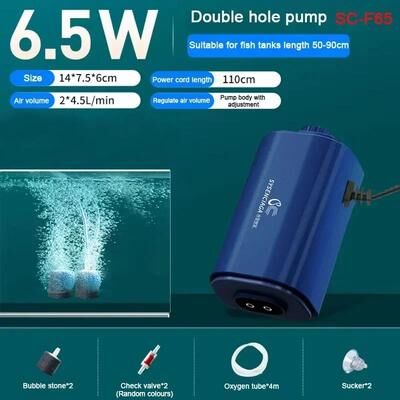
Inspire Essentials Adjustable Ultra Quiet Aquarium Air Pump Oxygen System For Fish Tanks eGive your fish a healthier and more comfortable environment with this Aquarium Air Pump. Designed to deliver a steady flow of oxygen, it helps improve water circulation while supporting a balanced aquatic ecosystem. The ultra quiet operation keeps...118,98 $*Shipping: 0,00 $Secure redirect to the provider
-
Zopa Thermos for Liquids thermos Dino 1 pcZopa Thermos for Liquids, 1 pc, Thermoses and Bottle Insulators For Kids, Make sure to pack some refreshment when going out with your kid. This Zopa Thermos for Liquids product is fantastic not just for travelling. It’s very practical and will quickly become part of every parent’s essentials. Characteristics: compact size ideal for travelling can be easily attached to the pram handle with a playful children’s motif suitable for hot or cold meals12,30 £*Shipping: 3,99 £Secure redirect to the provider
-
What does the surface of E. coli bacteria look like?
The surface of E. coli bacteria is covered in a layer of lipopolysaccharides, which are complex molecules made up of lipids and sugars. These lipopolysaccharides form the outer membrane of the bacteria, providing protection and serving as a barrier to the external environment. Additionally, E. coli bacteria have flagella, which are long, whip-like appendages that extend from the surface and allow the bacteria to move. Overall, the surface of E. coli bacteria is complex and plays a crucial role in the bacteria's survival and function. **
-
How can one get rid of E. coli bacteria in dogs?
To get rid of E. coli bacteria in dogs, it is important to consult a veterinarian for proper diagnosis and treatment. Treatment typically involves antibiotics prescribed by the vet. It is also important to practice good hygiene, such as washing your hands after handling your dog and properly cleaning up after them to prevent the spread of the bacteria. Additionally, ensuring your dog has a healthy diet and clean water can help boost their immune system to fight off infections. **
-
Are these bacteria dangerous?
The bacteria mentioned in the text, Pseudomonas aeruginosa, can be dangerous for individuals with weakened immune systems or underlying health conditions. In healthy individuals, it may not cause any harm. However, if left untreated, Pseudomonas aeruginosa infections can lead to serious complications, especially in hospital settings where it can cause healthcare-associated infections. It is important to seek medical attention if you suspect an infection with this bacteria. **
-
How can bacteria survive?
Bacteria can survive in various ways, including forming spores that are resistant to harsh conditions, developing antibiotic resistance through genetic mutations, and forming biofilms that protect them from environmental stress. Additionally, bacteria can adapt to different environments by utilizing various metabolic pathways to obtain nutrients and energy. Some bacteria can also exchange genetic material through horizontal gene transfer, allowing them to acquire new traits that help them survive in changing conditions. **
* All prices are inclusive of VAT and, if applicable, plus shipping costs. The offer information is based on the details provided by the respective shop and is updated through automated processes. Real-time updates do not occur, so deviations can occur in individual cases. ** Note: Parts of this content were created by AI.